Written By: Jon Bregel - Founder, Nourish
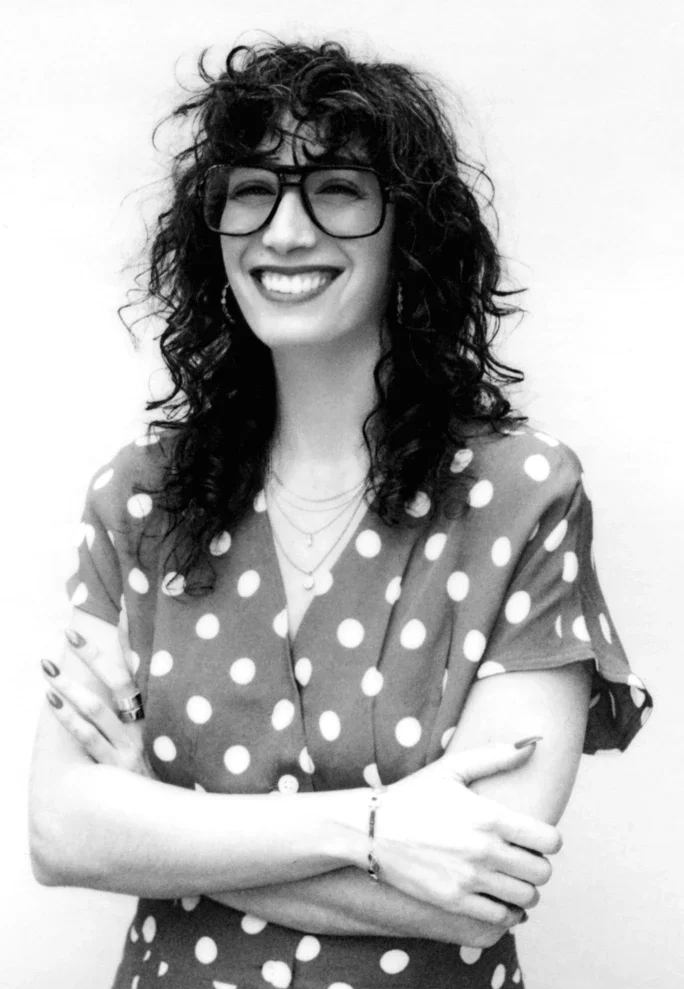
I recently had the opportunity to host a conversation with Erin Wahed, Director of Sales & Management at SMUGGLER, and Artist, inside The Nourish Community. As expected, Erin brought incredible depth to the topic of selling yourself as a filmmaker, offering a perspective that was equal parts practical and inspiring. Her insights reframed “selling” as an extension of your artistic voice; a process rooted in connection, authenticity, and clarity of purpose.
As a filmmaker, I’ve wrestled with the concept of selling over the years- especially in the formative years of my career. It can feel unnatural, uncomfortable, or even desperate at times. But what Erin unpacked so beautifully is that selling isn’t about trying to be everything to everyone. It’s about knowing who you are, owning your unique perspective, and leading with that authenticity in every interaction.
The podcast episode with Erin will release later next week via The Nourish Podcast, but in the meantime, I’ve distilled some of her most valuable takeaways into a summary below. I hope it inspires reflection and offers meaningful insights for your own journey :)
If Erin’s perspective resonates with you, consider sending her a note of gratitude on Instagram: @bandedesquatres. I’m sure she’d love to hear how her words have impacted you :) You can also check her out on her website by clicking HERE.
JOIN THE NEWSLETTER
Key Takeaways from the Conversation with Erin:
1. Redefining Sales
Erin challenged us to rethink the concept of selling, stripping away its negative connotations. All of the quotes in this breakdown are excerpts from Erin:
“Sales isn’t about manipulation or being pushy…It’s about sharing your story and creating real, human connections.”
Commercial work, Erin reminded us, is ultimately a business. It won’t always 100% fulfill you creatively, and that’s okay. What matters is embracing it for what it is and bringing authenticity to how you present yourself and your work. It’s helpful to consider saving your pure artistic expression for other avenues like passion projects or non-commercial endeavors.
2. The Power of a Clear Point of View
This was one of the most recurring aspects of our discussion: the importance of having a clear point of view as a director. But what does that really mean?
A clear point of view is about knowing who you are and being confident in it. It’s rooted in your values, interests, taste, and storytelling abilities. Your point of view isn’t about trying to appeal to everyone. It’s about being confident in what makes your vision special and consistently bringing that to life in your work.
Erin expanded on this with practical advice: “Show up to pitch calls with a clear sense of what you bring to the table. Agencies and clients want directors with a strong vision, so connect your perspective to the project and share it confidently.”
A few hallmarks of a clear point of view:
• Artistic Identity: Reflects your personal sensibilities, themes, and interests.
• Consistency in Vision: Creates a recognizable style or thematic focus.
• Purposeful Storytelling: Communicates meaningfully and intentionally.
• Alignment with Values: Authentically represents your core beliefs.
• Market Differentiation: Helps collaborators understand what makes your work distinct.
3. Observations from Thousands of Pitch Calls
Erin has listened to countless pitch calls over the years, and her insights into what works, and what doesn’t, are super insightful.
• Biggest Mistakes Directors Make:
“Don’t ramble…If the call is set for an hour but you’ve covered everything in 30 minutes, that’s okay. End on a high note. Rambling makes you seem unsure of yourself.”
She also emphasized preparation: “Do your research. Know who you’re speaking with, and if you can, reference something they’ve worked on that you admire. It shows respect and attention to detail.”
• Qualities of Directors Who Win Jobs:
“Directors who stand out come prepared with a clear point of view and thoughtful questions. They’re concise, confident, and genuinely engaged in collaboration,” Erin explained.
These qualities stood out to me as not just practical but deeply aligned with what makes a great creative partnership.
4. Authenticity in Selling
Erin emphasized the importance of authenticity in every interaction. “People are drawn to those who feel genuine and approachable.”
Selling yourself becomes easier when you approach it as an opportunity to share your story and build trust.
“Trust is built through consistency, honesty, and showing up authentically,” Erin added.
5. Balancing Art and Advertising
One of Erin’s key insights was the importance of separating personal artistry from commercial work. “In advertising, you’re here to collaborate and bring value to what’s already there…If you have a vision that you don’t want to compromise, it might be wise to save it for your short film or passion project.”
This struck a chord with me. It’s easy to conflate the two, but Erin’s advice to differentiate between personal expression and professional collaboration feels like a valuable roadmap.
6. Building Relationships
Success in this industry often comes down to the quality of your relationships. Erin advised, “Meet people on set; make friends through shared interests, get their numbers, follow them on Instagram, and stay in touch. These connections could lead to your next opportunity.”
This is a lesson I wish I’d learned earlier in my career. For years, I treated agencies and clients as impersonal entities rather than people to connect with…which clearly isn’t a pathway to building meaningful relationships and creating new opportunities. This is a topic that we delve deeply into in the podcast episode with Erin.
7. The Important Idea to Consider
In my personal experience, if selling yourself in the advertising industry feels draining or inauthentic, it might be a good time to pause and reflect:
• Do you believe in what you’re selling?
• Are you selling the right thing?
In other words; if selling what you’re selling doesn’t feel right, maybe it’s time to ask if you’re selling the thing that’s true to your heart.
Most importantly, if your heart isn’t fully in commercial advertising work, that’s okay. As Erin and I discussed, there are countless paths to share your vision; documentaries, series, features, non-profits, or something else entirely. Selling requires intention, so channel your energy into a filmmaking avenue that aligns with your values and passions.
Final Thoughts:
For me, one of the most powerful takeaways from this conversation with Erin was the idea that selling yourself as a filmmaker starts with knowing who you are. When you’re clear on your values, vision, and creative identity, selling becomes less about “proving” yourself and more about connecting with others authentically.
If this conversation resonated with you, I encourage you to explore the full event recording and Q&A within The Nourish Community. Start your free 2-week trial to watch the session, engage with like-minded filmmakers, and take the next step in your journey!
Stay creative,
Jon Bregel - Founder, The Nourish Community